




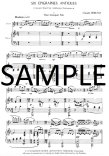
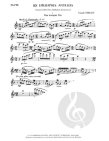
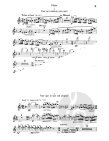
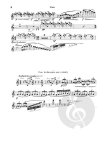

Bilitis (6 Epigraphes Antiques)
Composed by Claude Debussy (1862-1918)
Arranged for flute and piano by Anthony Summers
Published by Emerson Wind Editions
I. Pour invoquer Pan
II. Pour un tombeau sans nom
III. Pour la danseuse aux crotales
IV. Pour que la nuit soit propice
V. Pour l’Egyptienne
VI. Pour remercier la pluie au matin
In 1894 the poet Pierre Louÿs (1870–1925) published the translation of a Greek epitaph from the sixth pre-Christian century,
allegedly discovered by a German explorer: Bilitis, the lovely priestess of Aphrodite, sings of her soon faded life. However, the poet soon unmasked himself as the author of these love lyrics, although this did nothing to diminish their popularity. Claude Debussy, a friend of Louÿs since 1893, made several settings of this poetry so typical of the symbolist movement: Trois
Chansons de Bilitis for soprano and piano (1897), Six Epigraphes antiques for piano duet (1914), followed by a two-hands version, as well as Les Chansons de Bilitis for female narrator, two flutes, two harps and celesta.





Reviews
There are no reviews yet.