
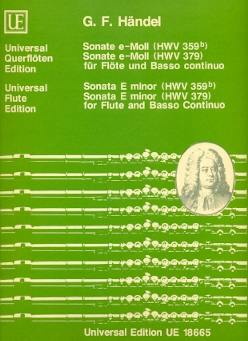


Sonatas in e minor by G.F. Handel (1685-1759)
Edited by Gerhard Braun
Realization of the figured bass by Siegfried Petrenz
For Flute and Piano
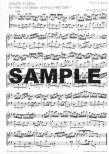
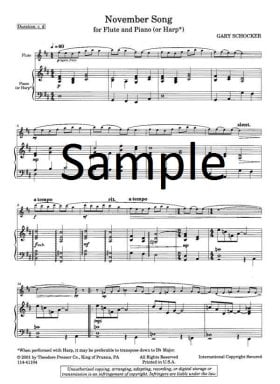
Basso continuo part is included in a score form with the flute part. See sample page for example.
There are no separate flute or basso continuo parts included. Also includes a piano score.
The first sonata in e minor, published by Chrysander as Op1 #1b, is based on a circa 1732 edition of John Walsh: Solos for a German Flute, a Hoboy or Violin with a Throrough Bass for the Harpsichord or Bass Violin Compos'd by Mr. Handel. This refers to a transcription of a sonata in d minor in about 1724 and handed down in a manuscript now in the Fitzwilliam Museum, Cambridge. It was transposed to e minor, printed under the heading of Sonata I (Traverso Solo) and designated for the transverse flute although it exceeded the range of the original flauto traverso in both extremes.
The second sonata in e minor was also passed along in manuscript preserved in the British Library, London. Handel combined and recomposed movements of his extant works for a special performance sometime around 1727/28. The first and fourth movements are related to the e minor sonata described above, while the second and fifth movements are taken from the recorder sonata in g minor. The Adagio of the sonata in D major for flute and basso continuo (HWV378) provides the basis for the third movement.
In their present form, the sonatas allow the performer a certain freedom regarding rhythm, dynamics, articulation and ornaments. Just for that reason they demand to be well thought out and virtually further composed. Therefore, only a few suggestions for interpretation have been given in this edition, all clearly recognizable.
Contents:
Sonata in e minor (HWV359b)
Sonata in e minor (HWV379)



Reviews
There are no reviews yet.