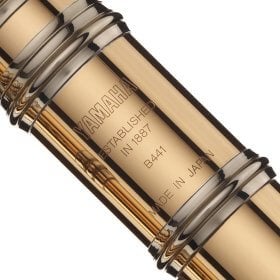
1887 – The Beginnings of Yamaha
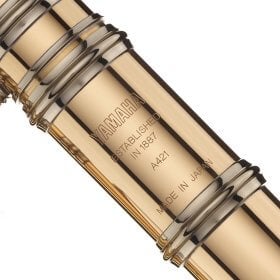
Yamaha Corporation, originally founded as a piano and organ manufacturer by Torakusu Yamaha in 1887, expanded its scope over the years to produce a wide variety of musical instruments. While they initially focused on piano manufacturing, by the mid-20th century, Yamaha branched out into producing a variety of woodwind and brass instruments.
1960s – Yamaha Enters the Flute Market
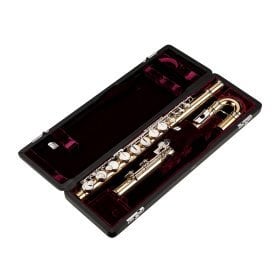
In the early 1960s, Yamaha began producing flutes, marking its entry into the woodwind market. The company applied its precision engineering expertise to flute manufacturing and quickly gained a reputation for high-quality, affordable instruments suitable for students and professionals alike.
1967 – First Yamaha Flute Model
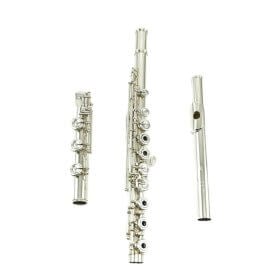
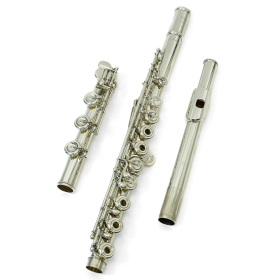
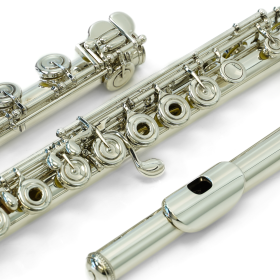
In 1967, Yamaha introduced its first flute, the YFL-1, which was made from nickel silver. The flute gained recognition for its consistent tone, intonation, and solid build quality. At this time, Yamaha began to develop a reputation for crafting flutes that were not only accessible to students but also suitable for advancing musicians.
1970s – Advancing Technology and Design
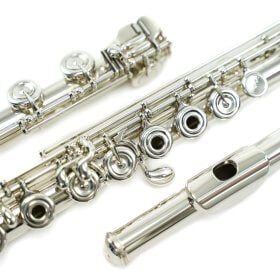
In the 1970s, Yamaha began experimenting with more advanced materials and innovative design features for their flutes. They were one of the first companies to produce flutes with nickel-silver bodies and silver-plated heads, helping increase their durability and sound quality. The company also began experimenting with open-hole and solid silver models, marking a move toward more professional-level instruments.
1980s – Development of Custom and Professional Models
By the 1980s, Yamaha began developing more professional-grade models. They launched the YFL-61 series, a step up from their student models, featuring a solid silver headjoint and advanced key mechanisms for better response. Yamaha continued to refine the craftsmanship and materials used in these instruments, including the introduction of flutes with solid silver bodies and gold-plated mechanisms.
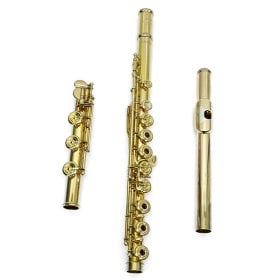
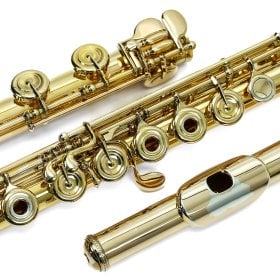
In 1981, Yamaha released the Yamaha Custom Series Flutes (YFL-81), which included advanced features such as hand-cut headjoints, silver or gold bodies, and more responsive keywork. These flutes targeted advanced and professional flutists and solidified Yamaha’s position in the high-end flute market.
1990s – The Introduction of the 800 and 900 Series
In the 1990s, Yamaha further refined its flute-making process with the introduction of the YFL-800 and YFL-900 series. These models featured handcrafted headjoints, precision-cut toneholes, and more customized options, offering improved sound quality and playability for more advanced players.
2000s – Continued Innovation and Customization
Yamaha continued to innovate in the flute-making world by refining their handcrafted models and offering a greater range of customization options. They introduced the YFL-481 model, a step-up professional flute with a solid silver headjoint and body, as well as a variety of new models with special alloys for improved tonal quality.
Additionally, Yamaha expanded its Custom Series with the introduction of the YFL-671 and YFL-881 models, which were designed with extensive feedback from professional musicians. These instruments were highly customizable with features such as platinum heads and 14k or 18k gold bodies.
2010s – Precision Engineering and Expansion
In the 2010s, Yamaha continued to refine the craftsmanship and engineering behind its instruments, introducing cutting-edge technology to improve the tone and responsiveness of its flutes. Yamaha’s 900 series became known for its exceptional response, tone quality, and reliability.
The company also continued its work with professional flutists, incorporating feedback from musicians into the design and production of instruments. This allowed Yamaha to offer a wide range of models, from student flutes to professional and custom instruments.
Modern Day – Yamaha’s Role in Flute Making
Today, Yamaha flutes are known for their consistency, reliability, and high-quality craftsmanship. The company offers a broad range of models catering to players of all levels, from beginners to professionals. Yamaha also continues to innovate, creating flutes with cutting-edge materials and designs, such as flutes with silver or gold bodies, platinum headjoints, and custom options that meet the needs of a wide variety of musicians.
Yamaha has also made a significant impact in the field of flute acoustics, with professional flutists and orchestras around the world using their instruments. Their focus on precision engineering, advanced materials, and handcrafted design ensures that they remain a leading name in flute making.